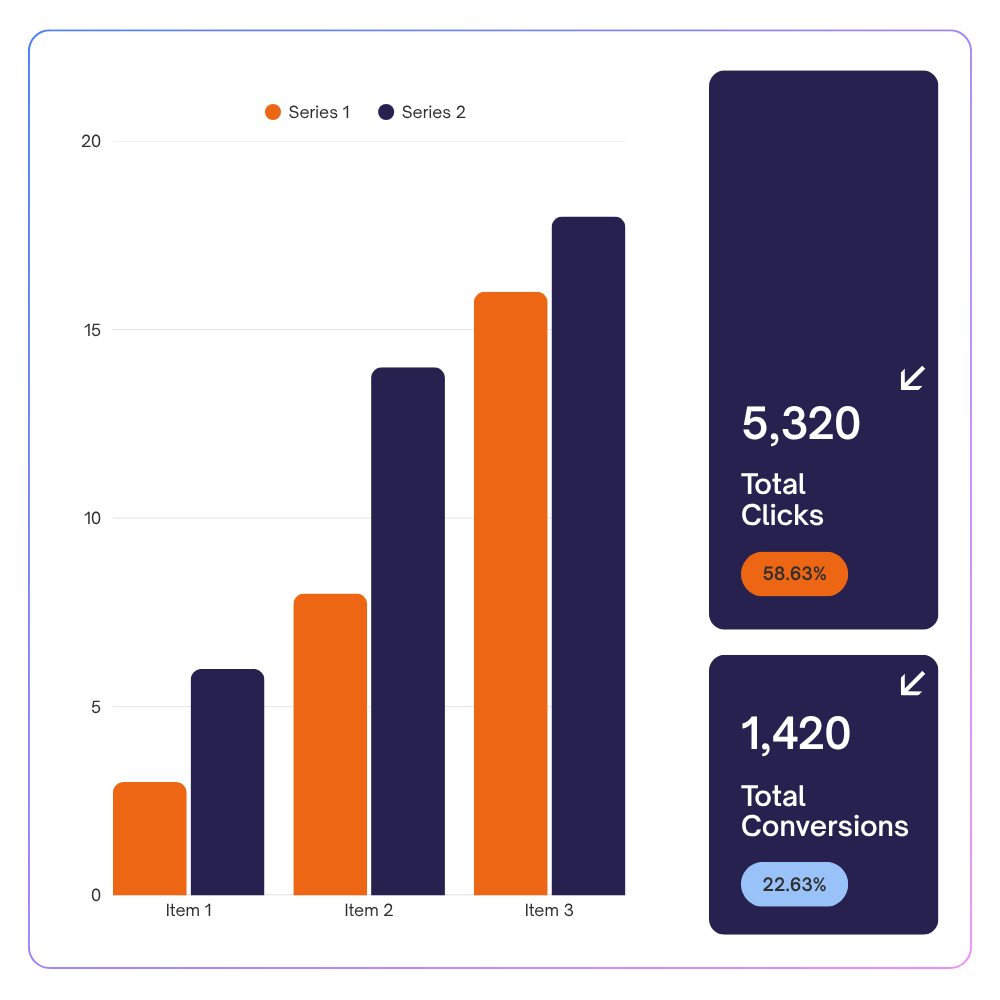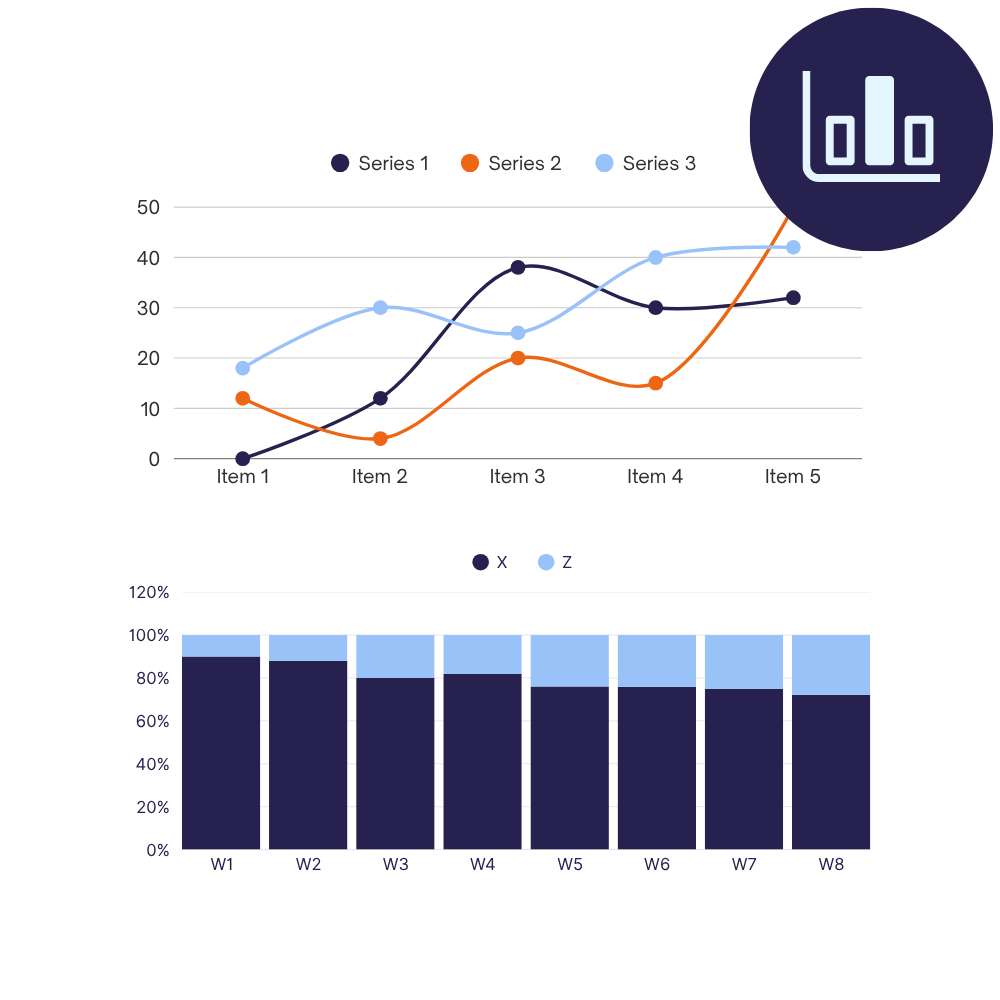










Looker dashboard
Looker gives you a governed, scalable analytics layer that grows with your business. Getting the full value out of it requires expertise in LookML, data modelling, and how you work.
We provide the needed data expertise, from the first conversation through to a Looker environment your business can rely on.


You can reach a point where the BI tools that served you early on start to show their limits. The data is there, but the infrastructure around it struggles to keep pace with the questions the business is asking.
Looker solves this through LookML, a modelling language where you define revenue, margin, churn and others once, and every dashboard in your environment inherits those definitions automatically. When finance and sales pull the same metric, they get the same number.
We build the LookML model from scratch around how you calculate things, then build the dashboards on top of it.
Some are evaluating Looker as the next step in their analytics setup. They want someone who can assess whether their warehouse and data infrastructure are ready for it, design the LookML model and build it so the investment pays off.
Others are already licensed for Looker but the implementation has underdelivered. The dashboards exist but nobody trusts the numbers. The LookML model is thin or inconsistently built. We audit what is there, identify what needs to change, and rebuild the parts that are holding the platform back.
We are direct about what each situation involves and honest about how long it takes.
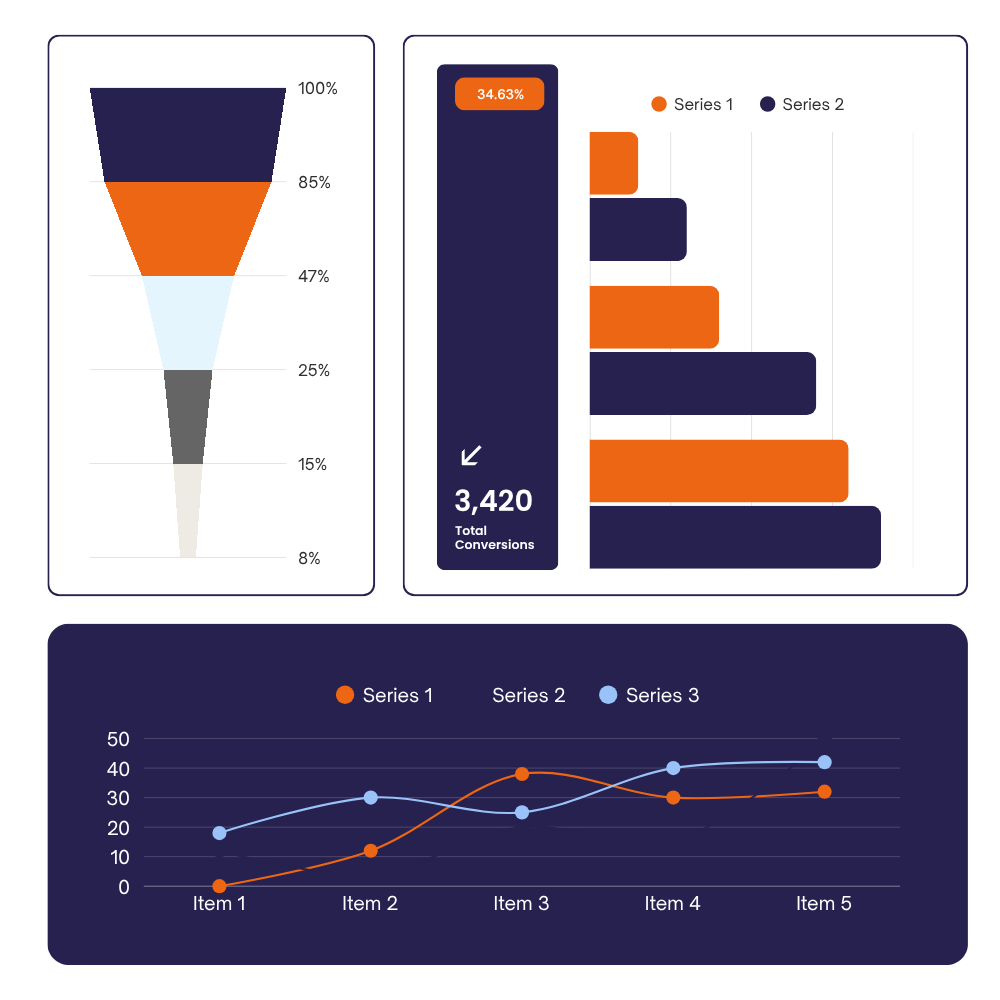
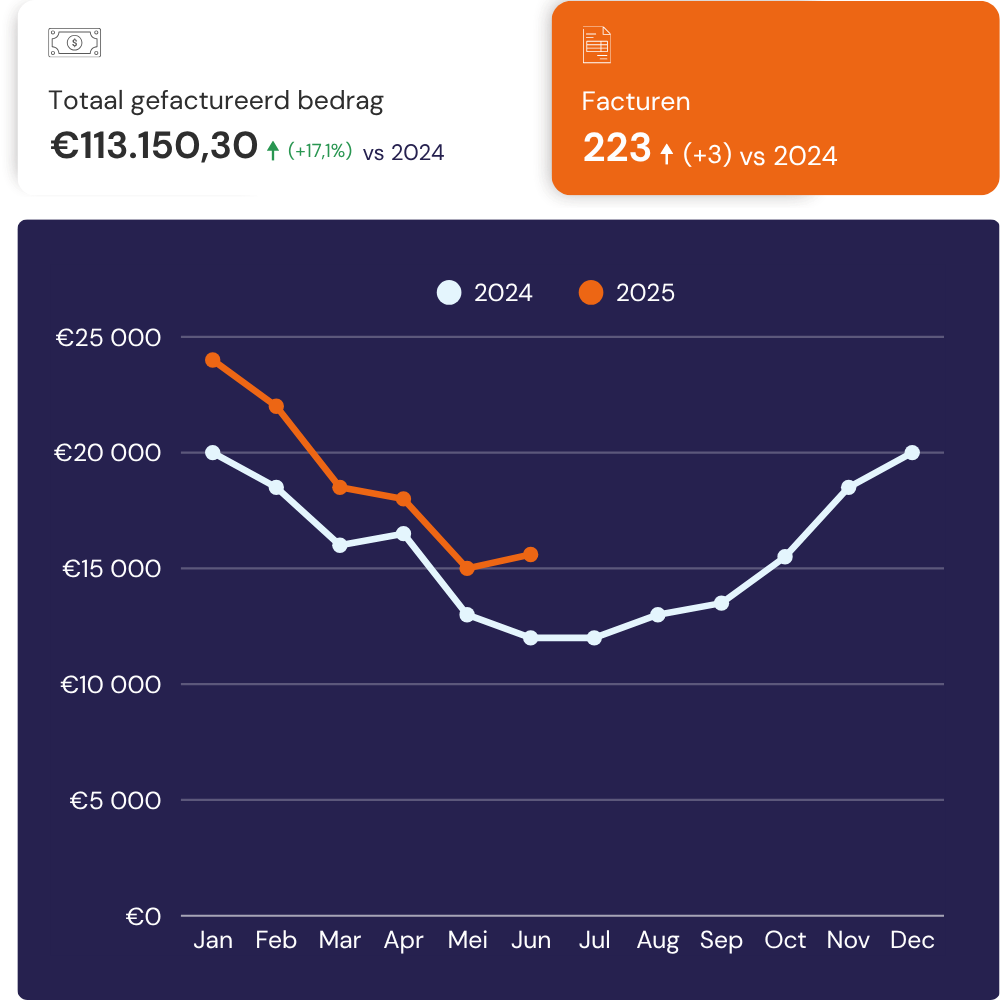
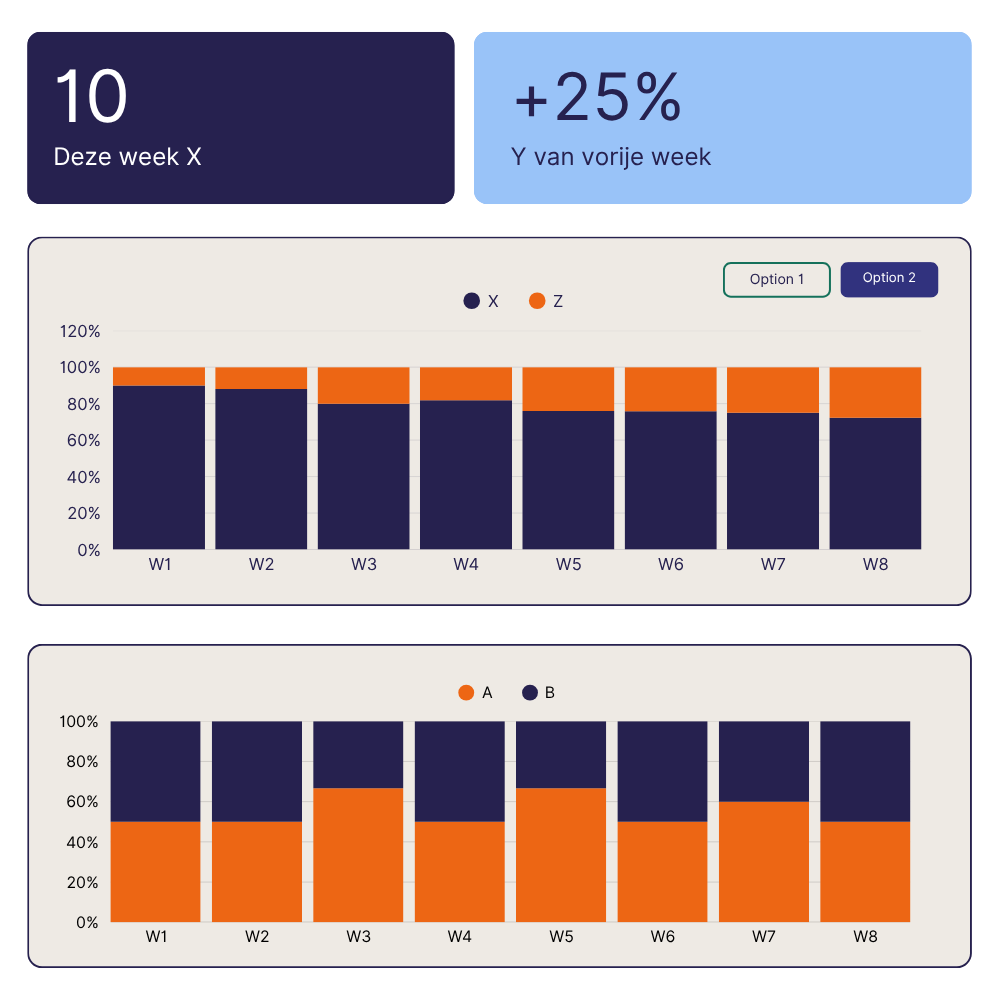
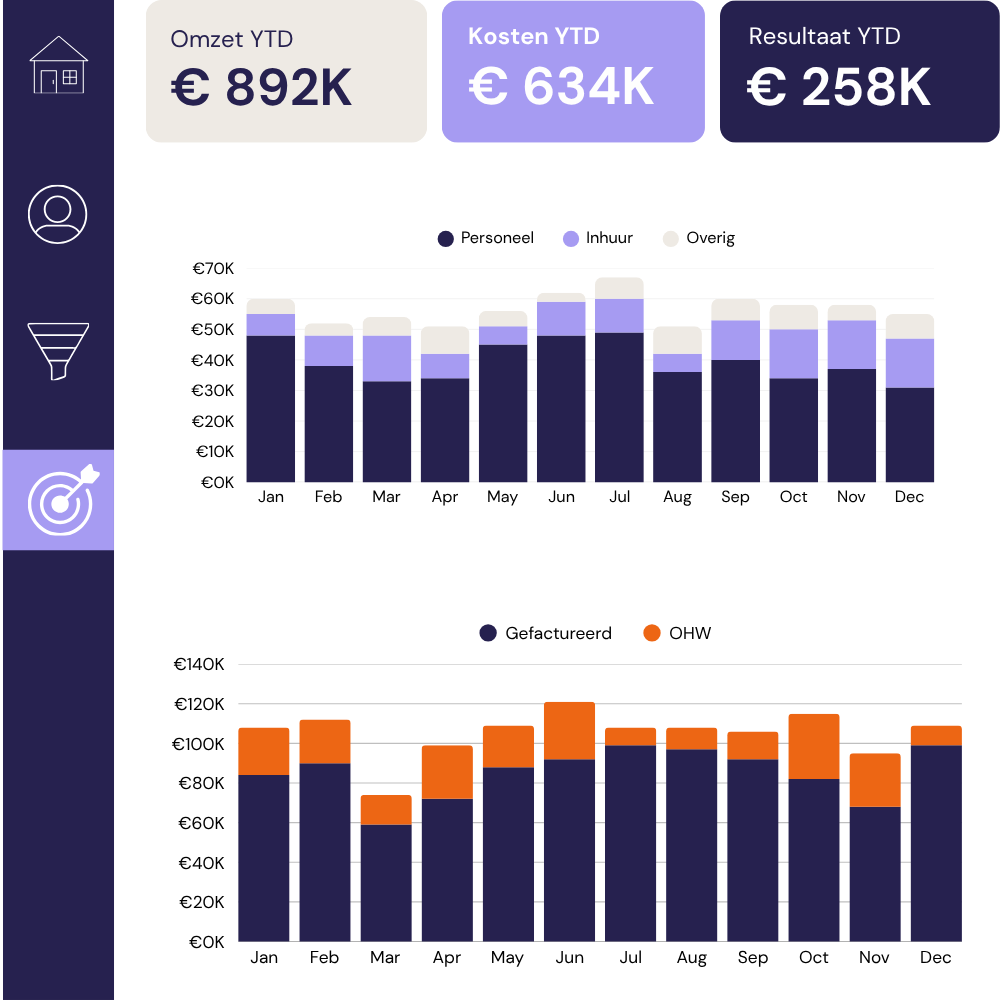
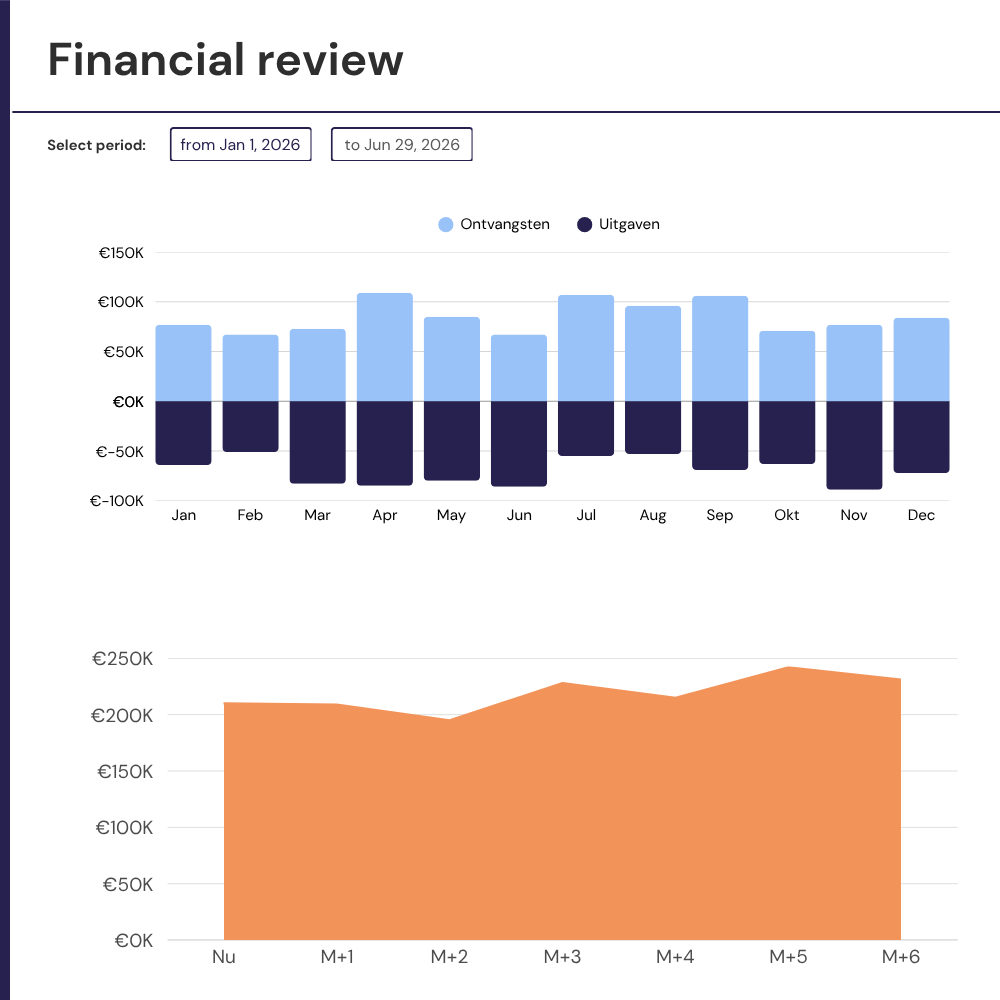
The dashboards are what the management opens every morning. The LookML model is what makes those dashboards trustworthy. Here is what that looks like when both are built properly.
When LookML defines revenue centrally, every dashboard, Explore, and scheduled report pulls the same figure calculated the same way. The metric reconciliation meetings disappear because there is nothing left to reconcile.
Looker’s Explore functionality lets anyone with access slice and filter your data against the governed LookML model without. The guardrails are built into the model, so self-service stays accurate.
A well-structured LookML model is built to extend. New dimensions, new measures, new Explores layer on top of what is already there. You are not rewriting the foundation every time you add a product line or enter a new market.
Looker pushes computation down to your data warehouse. Aggregate awareness, PDTs, and caching strategies built into the LookML model mean query performance holds up as row counts climb.
Role-based access means directors see the full picture, project leads see their own portfolio, and finance sees what it needs. The right level of detail reaches the right person without anyone seeing what they should not.
Looker is warehouse-native: BigQuery, Snowflake, Databricks, Redshift. We make sure the connection between your warehouse and your LookML model is clean and that the query patterns we build take advantage of how your warehouse is optimised.
We start with a 20-minute call. If you are evaluating Looker, we want to understand what your current BI setup looks like, where it is reaching its limits, and what your data infrastructure can support.
If you are already on Looker and the platform is underdelivering, we want to understand what was built, where the gaps are, and what the business actually needs from it.
We are direct about what we think your situation requires and honest about what it will involve. If Looker is a not a fit for where you are, we will say so.
Before anything gets built, we go deep on your data: where it lives, how it is structured in your warehouse, and how clean it is. For existing Looker environments, we audit the LookML model, the dashboards, and the access setup to understand what is solid and what needs to change. For new implementations, we assess your warehouse and agree on the architecture first.
This is also where we set the business logic. Getting this agreed before building is what separates a LookML model that holds up over time from one that needs to be refactored six months later.
Once we understand your data and your metric definitions, we put together a visual mockup of the dashboards before we start building the model. This shows you exactly which views will be included, how the layout is structured, and which metrics appear where.
The dashboard structure influences how the LookML model needs to be designed. Catching a missing view or a wrongly scoped metric at this stage takes an hour to fix.
With the architecture agreed and the mockup signed off, we build the LookML model first, then the dashboards on top of it, then the access layer. We work iteratively with regular checkpoints, so you see progress throughout and can give feedback before anything is locked in.
Handover includes full LookML documentation, a walkthrough with whoever will maintain the model internally, and enablement for the people who will use Explores. We make sure the platform is understood. After handover, we offer ongoing support for LookML maintenance and model evolution as your data and reporting needs change.
Learn more about the Data team as a service here.
A Looker engagement with i-spark covers whichever of these your situation requires, a first implementation, extending and improving what is already there, etc.
A top-level view of the metrics your leadership checks first: revenue, margin, growth rate, pipeline, and key operational indicators. Built for someone who needs the full picture in thirty seconds.
Pipeline by stage, win rates, deal velocity, revenue by segment and by account. The dashboard your sales and commercial leadership uses to understand what is closing, what is at risk, and where to focus attention this quarter.
Retention, churn, NRR, feature adoption, usage patterns by cohort. Built for product and customer success executives who need to understand how customers are engaging and where expansion or retention risk is building up.
P&L visibility, gross margin by product or segment, cost of goods, budget vs actuals, and cash flow indicators. Designed for finance leads who need a live view across the numbers.
SLA adherence, throughput, capacity utilisation, queue depth, and incident trends. The operational view you need to see performance against commitments and spot where pressure is building.
Beyond fixed dashboards, we build the Explores and LookML model structure that lets your analysts ask their own questions without writing SQL. Governed, consistent, and scoped so they can move fast.
Issue 4 | April 2026 AI is designing running in the background, managing workflows, learning your preferences, and embedding itself into the infrastructure your company already runs on. Anthropic launched Claude Design. OpenAI released GPT-5.5 and landed a major AWS partnership. Google renamed Looker Studio back to Data Studio. Snowflake’s Intelligence platform got a personal […]
What happened in data and AI? If February was about AI growing up, March is about AI actually doing things. Actually running pipelines, detecting threats, writing and executing code, holding a real-time conversation in over 200 countries simultaneously. The stuff that came out this month are on the theme of autonomy. And the question of […]
This article is part of a series on how i-spark uses AI in our work. For an overview of the three main categories of AI use: ideation, code assistance, and data analysis, see our companion article. AI-assisted coding is now standard practice across data initiatives, with code writing and code reviewing. Most development teams use […]